Depreciation Recapture And What A 1031 Exchange Does With It
A 1031 exchange defers depreciation recapture rather than erasing it. Here is how the deferred amount carries forward and where it resurfaces.
Depreciation is the deduction that made your rental property work on paper for years. It is also the reason a sale can produce a larger tax bill than owners expect, because those deductions are accounted for when the property is disposed of. A 1031 exchange handles this, but it is worth being precise about what it actually does, because deferral and elimination are very different things.
What a 1031 exchange does with depreciation recapture
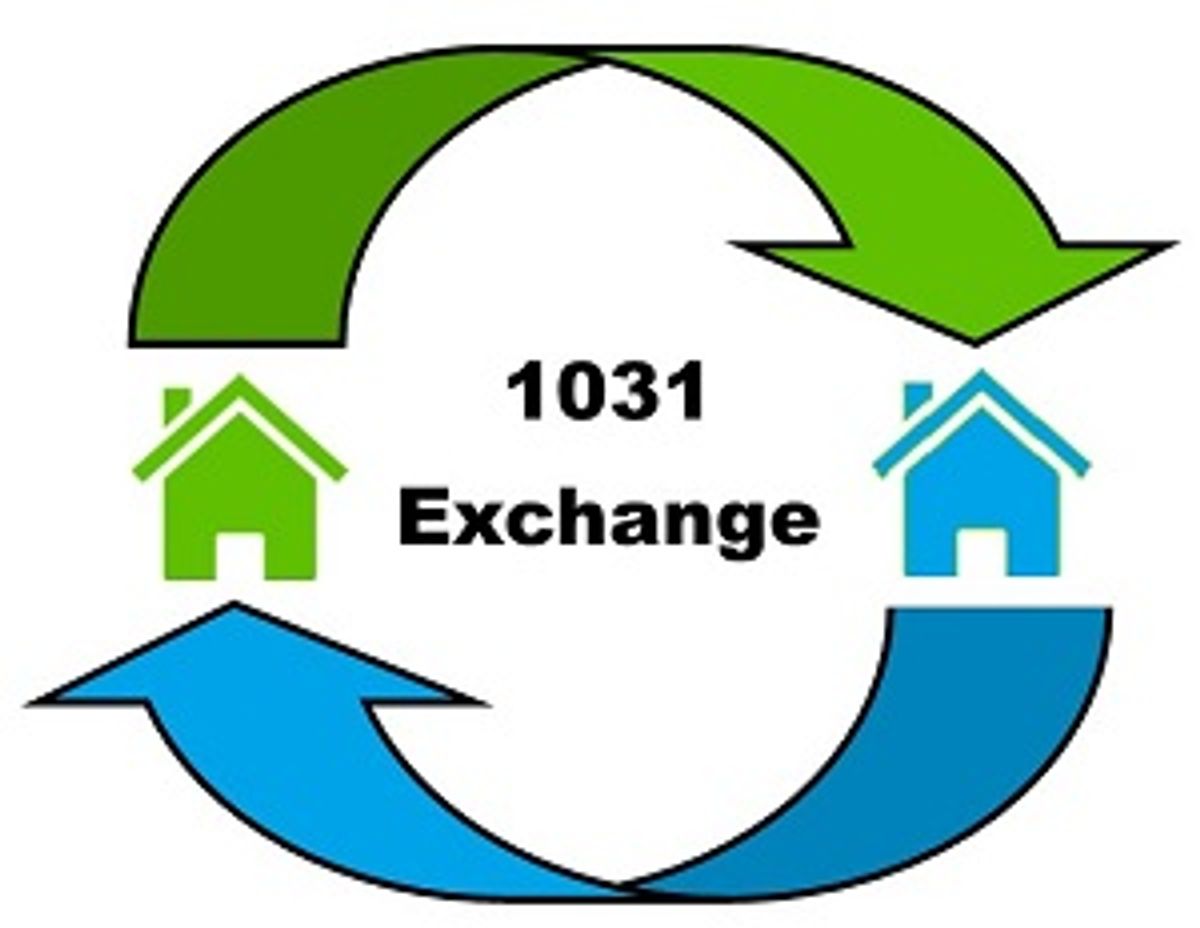
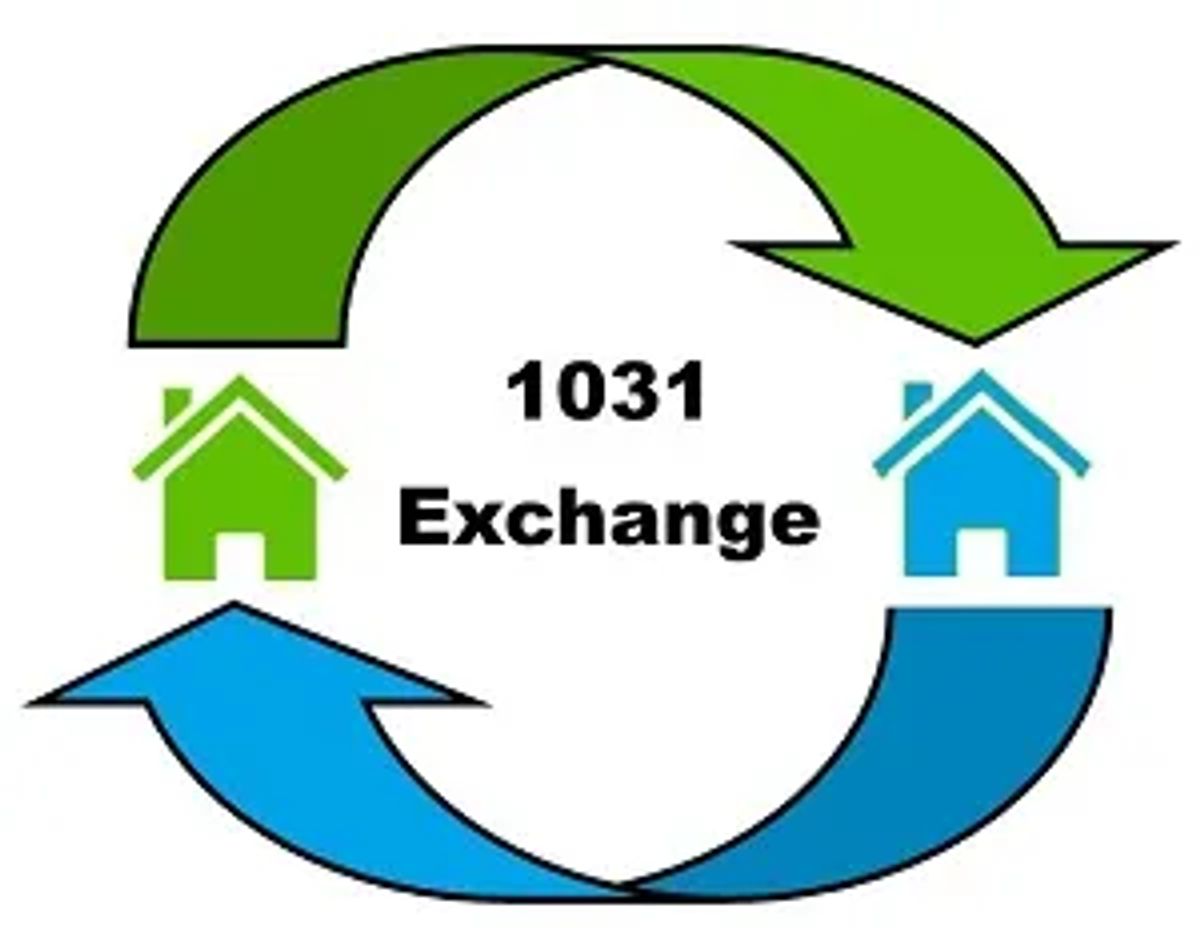
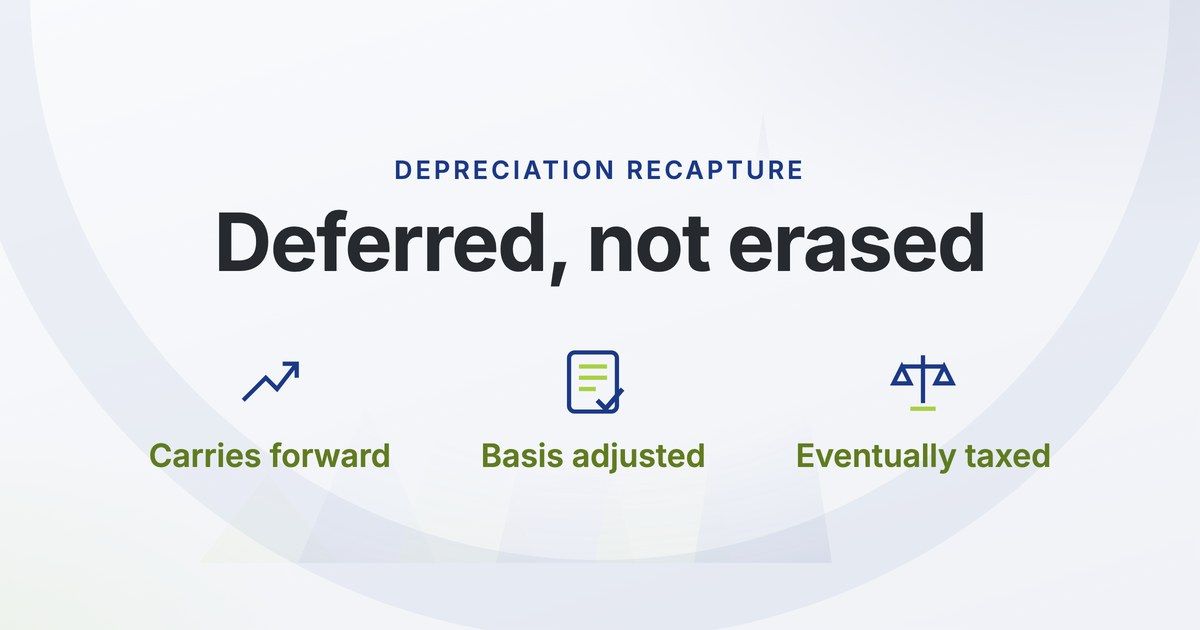
A properly structured 1031 exchange defers depreciation recapture along with the rest of the gain. It does not erase it. The depreciation you claimed carries forward into the replacement property through your adjusted basis, and it remains part of the calculation until the property is eventually sold in a taxable transaction.
Why recapture exists at all
While you held the property, depreciation reduced your taxable income each year. The premise is that the building wears out over time, so the deduction offsets that decline.
When you sell for more than your depreciated basis, the picture changes. The deductions you took no longer reflect a loss in value. Recapture is the mechanism that accounts for that, and the portion of gain attributable to depreciation can be taxed at a different rate from the rest of your capital gain.
This is why owners are sometimes caught out. They calculate the tax on the appreciation and forget the deductions they took along the way.
How the deferral actually carries forward
The mechanism is basis. Your adjusted basis in the property you sold, reduced by all the depreciation you claimed, carries into the replacement property rather than resetting to what you paid.
That has a practical consequence people rarely think about at the time. The replacement property starts with a lower basis than its purchase price, which means less depreciation available going forward and a larger gain waiting whenever it is eventually sold. The deferral is real and valuable, but it accumulates.
We have clients who have exchanged three and four times. Each exchange carries the whole accumulated position forward. That is the intended design, and it works, but it means the eventual disposition needs a plan rather than a surprise.
For the mechanics of how the exchange itself is structured, read the full 1031 exchange process.
Where recapture resurfaces
Three situations bring the deferred amount back into view.
A taxable sale. Whenever you sell without exchanging again, the accumulated position is recognized.
Boot in an exchange. If part of your transaction does not qualify for deferral, the recognized gain may be treated as recapture first rather than as capital gain, which can mean a higher rate on that portion than expected.
A change in how the property is used. Converting investment property to personal use changes the picture and needs to be planned rather than assumed. Our frequently asked questions cover the surrounding rules.
Where cost segregation fits
Cost segregation is the other side of the same asset. It accelerates depreciation by separating shorter lived components of a building from the structure itself, which increases deductions in the early years of ownership.
That is a genuine benefit while you hold the property. It also increases the accumulated depreciation that carries forward, which makes the eventual disposition plan more important rather than less. The two things are not in conflict, but they should be considered together rather than separately. If accelerating deductions on a property you are keeping is the question in front of you, see how a cost segregation study works.
Planning the eventual exit
The question we get from long term investors is what happens at the end, when they no longer want to keep exchanging into new property to manage.
That is a real problem and it has real answers. A Delaware Statutory Trust allows continued deferral without active management, which suits owners who want to stop dealing with tenants, trash, toilets, termites, teenagers, and taxes but not to trigger the accumulated position. A deferred sales trust works on entirely different principles and suits different circumstances again.
Since 2018 we have worked with around 350 clients, and the ones who come out of this well are almost always the ones who planned the exit rather than reaching it by default.
What to do with this
If you are holding property with significant accumulated depreciation and thinking about selling, the calculation you need is not the one on the appreciation alone. Ask your CPA for your adjusted basis and the accumulated depreciation figure before you make any decisions, because those two numbers change what the options are worth.
Then, if you want to see which deferral structures fit your position, book a complimentary consultation or start an exchange with us.
FAQ
Does a 1031 exchange avoid depreciation recapture?
It defers it rather than avoiding it. A properly structured exchange rolls the depreciation forward through your adjusted basis into the replacement property, where it stays deferred until a taxable disposition. The obligation continues to exist and continues to accumulate across successive exchanges.
Do you pay both capital gains and depreciation recapture?
On a taxable sale, yes, they are separate components of the same bill. The portion of gain attributable to depreciation is treated differently from the appreciation above your original cost, and can carry a different rate. Your tax professional should calculate both for your specific property.
How to calculate depreciation after 1031 exchange?
The replacement property generally carries forward the adjusted basis from the property you relinquished, with any additional value acquired treated separately. That means depreciation going forward is calculated on a lower figure than the purchase price. The precise treatment depends on the details and should be confirmed with your CPA.
How to avoid paying back depreciation recapture?
There is no ordinary route to eliminating it during your lifetime, which is why the honest framing is deferral rather than avoidance. Continued exchanging defers it further, and certain structures allow deferral without active property management. Estate planning considerations also affect the outcome and warrant a conversation with a qualified advisor.
Note. We are not CPAs or tax attorneys. This is educational information only. Depreciation and recapture calculations are specific to your property and must be confirmed with your tax professional.